
01
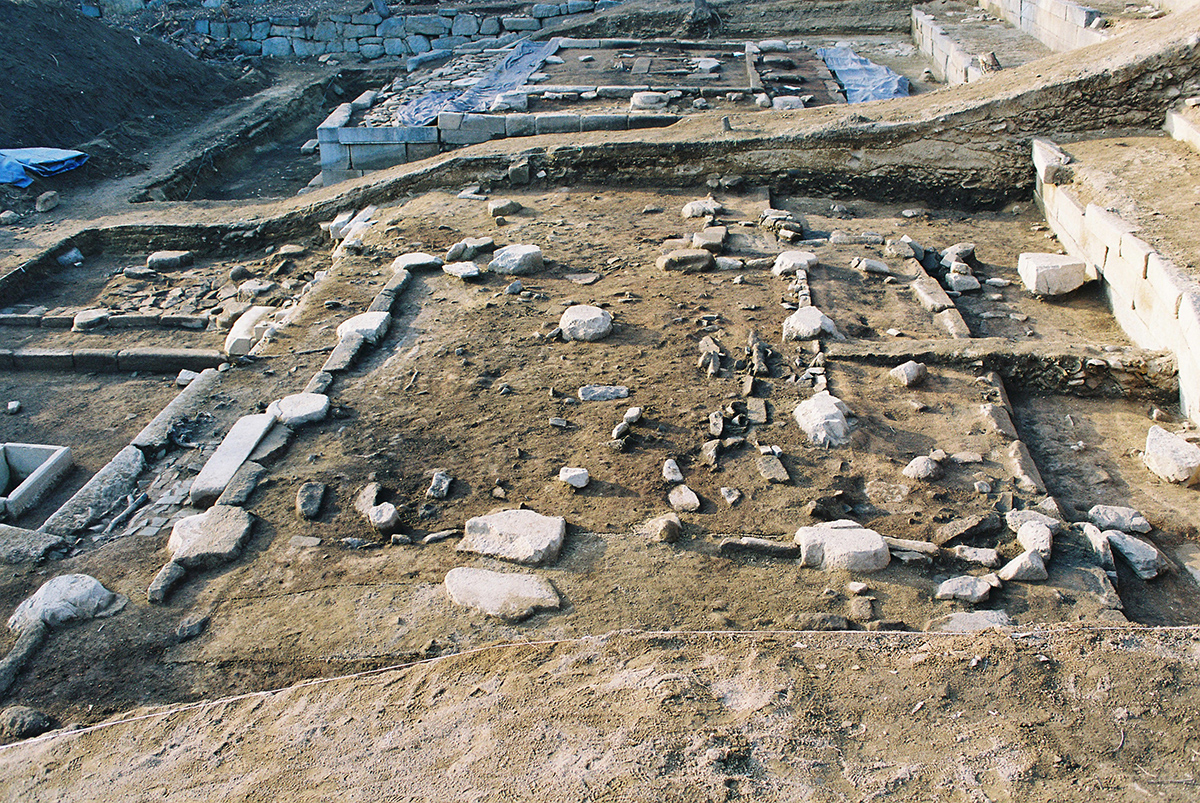
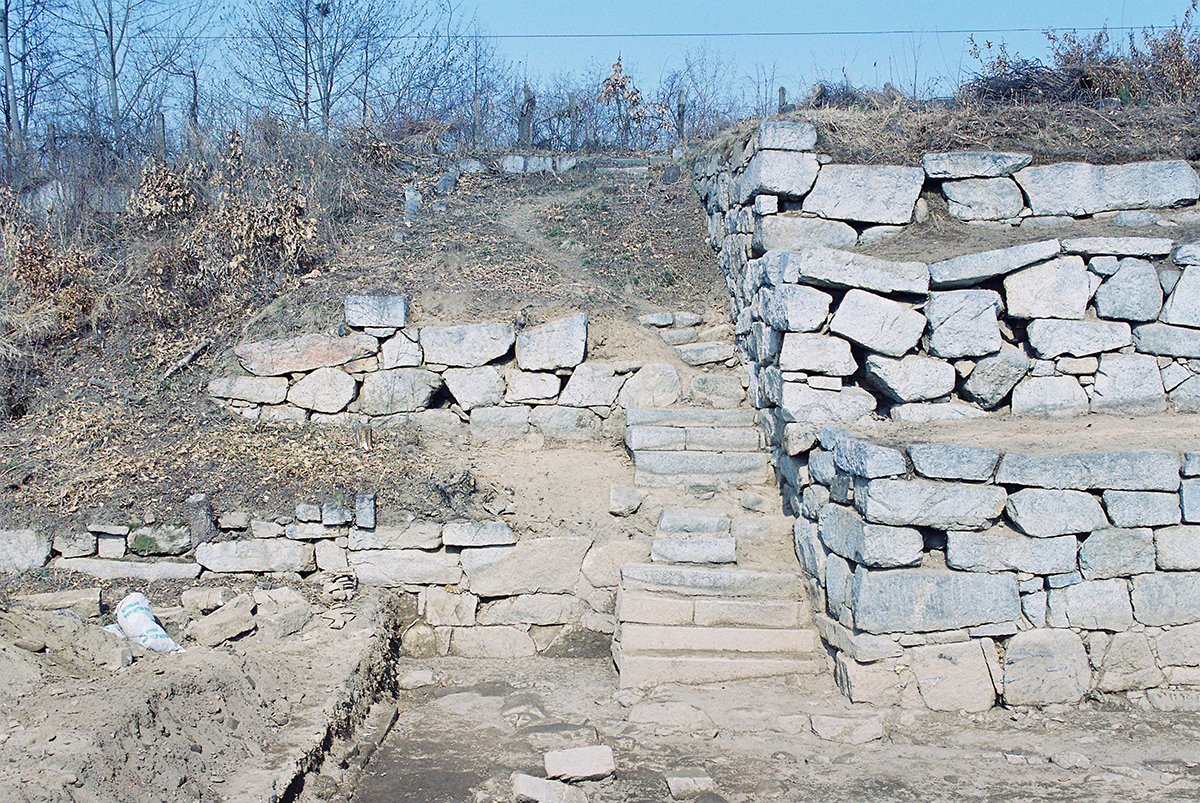
Abbot’s Hall site – West
1st Excavation
 Hoeamsaji
Excavation and restoration
Hoeamsaji
Excavation and restoration
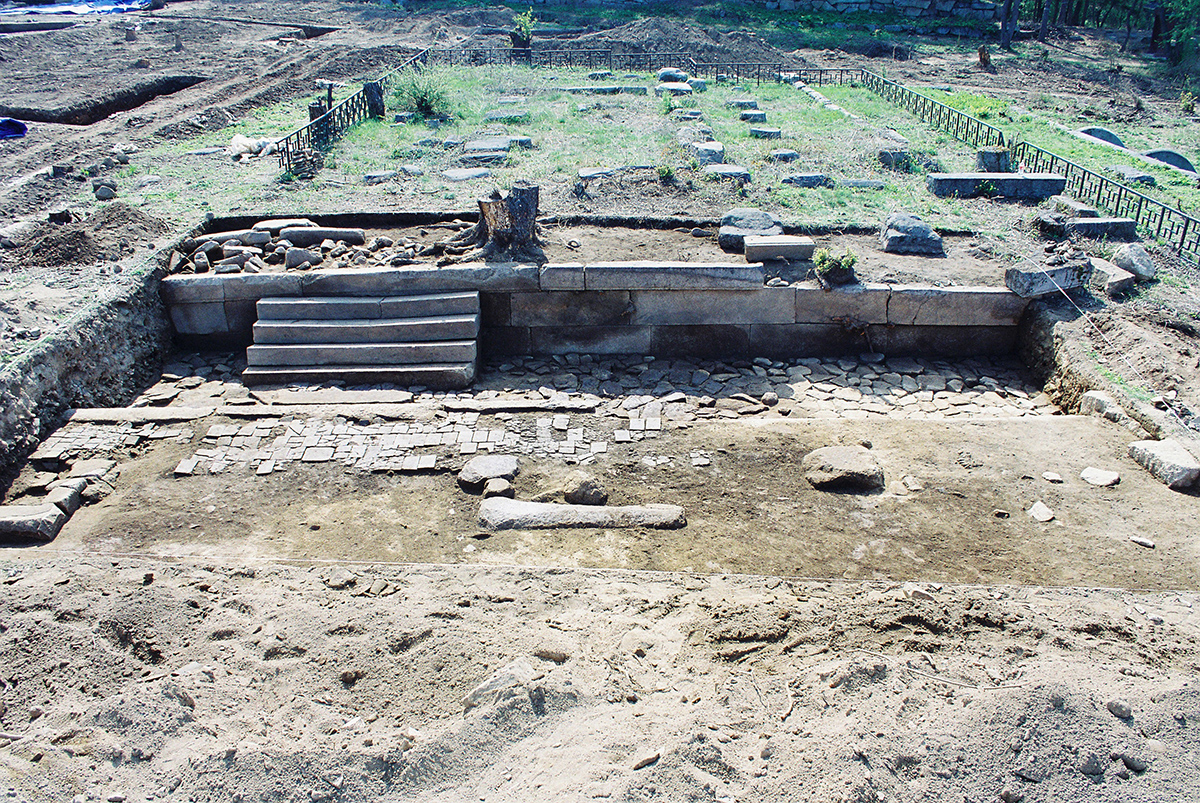
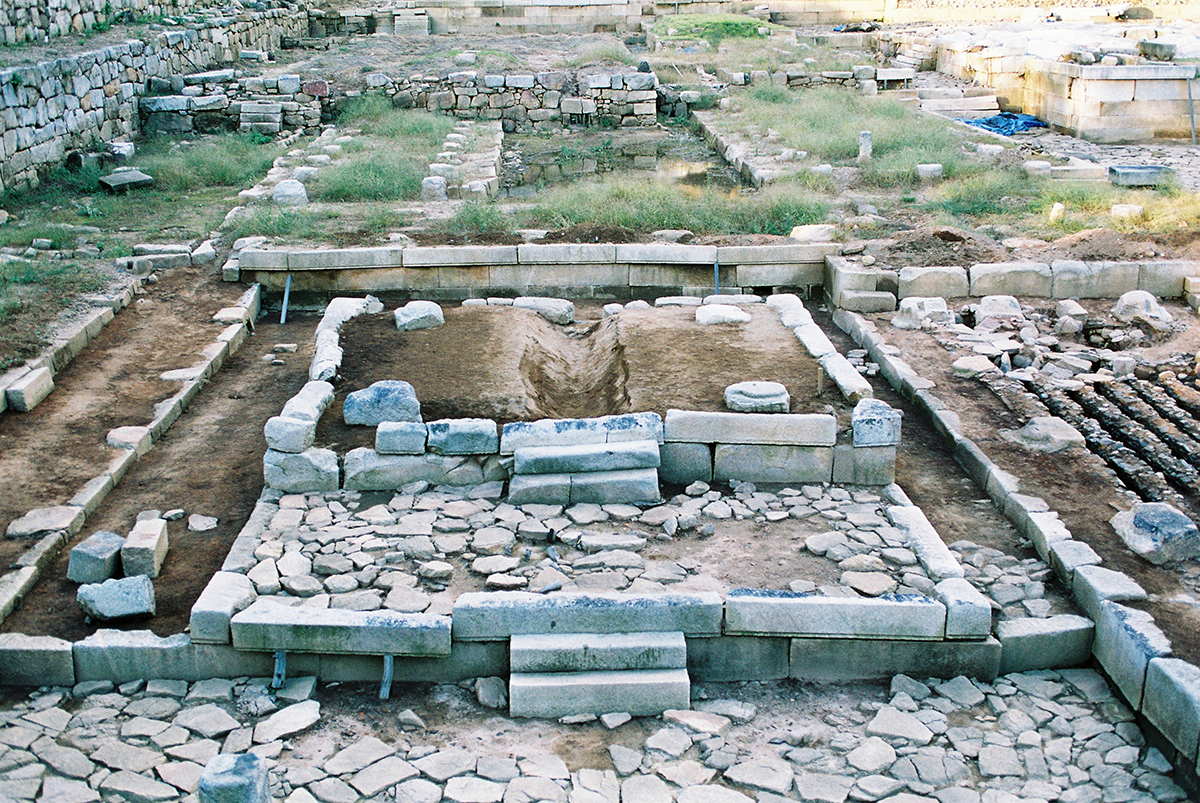
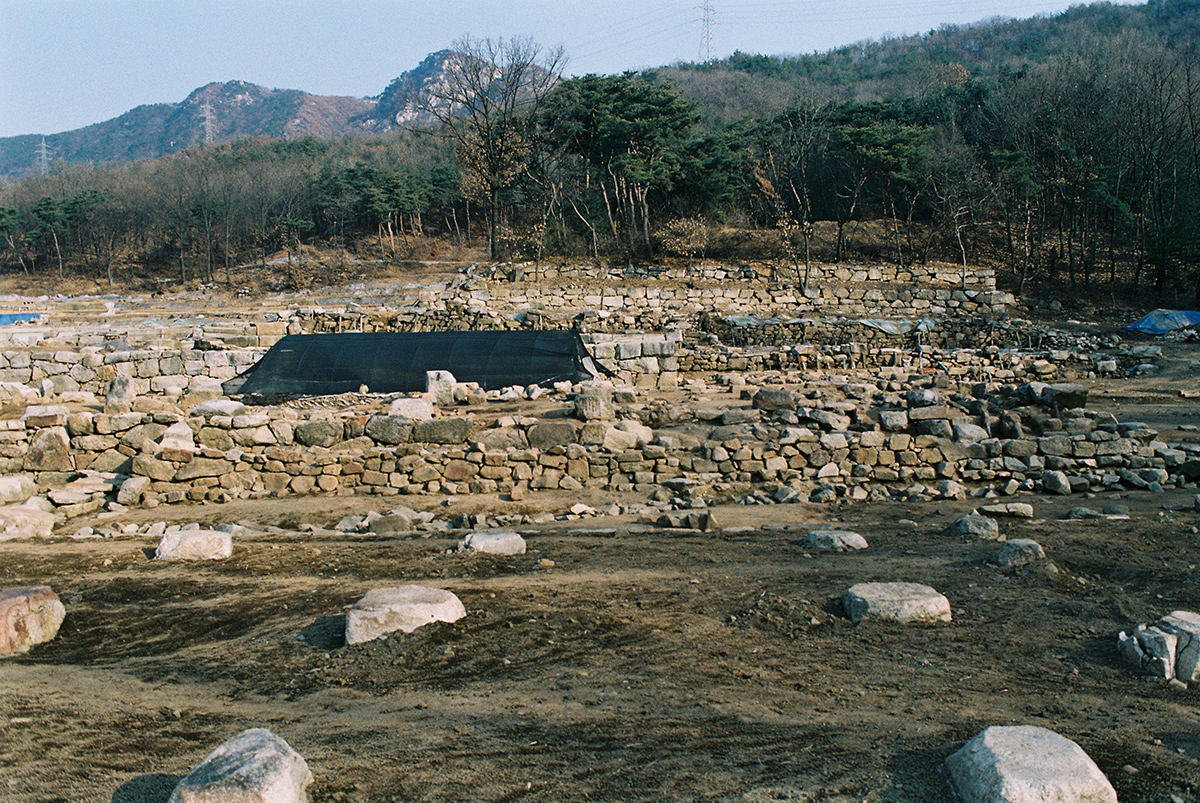
Hoeamsa Temple Site (Hoeamsaji) in Yangju was designated as a Historic Site in 1964, and 14 archaeological excavation sessions were carried out between 1997 and 2024.
The excavations revealed that the site contains architectural elements Indicating the temple's connection to the royal court that distinguishes it from other Buddhist temples, as well as features associated with Seon Buddhist monasteries that were widespread throughout East Asia during the 13th and 14th centuries.
More than 100,000 pieces of artifacts were unearthed, including blue roof tiles used exclusively by the royal court, decorative ridge-end roof tiles with dragon-head ornaments and figurines, eave-end roof tiles bearing dragon and phoenix motifs, as well as ceramics produced at royal kilns. These discoveries attest to the status and character of Hoeamsa Temple as the largest royal Buddhist temple and a representative Seon monastery of the early Joseon period.
A comprehensive maintenance plan for Hoeamsaji was implemented from 1997 to 2016, and included land acquisition, archaeological excavations, museum construction, site conservation, and landscape park development.
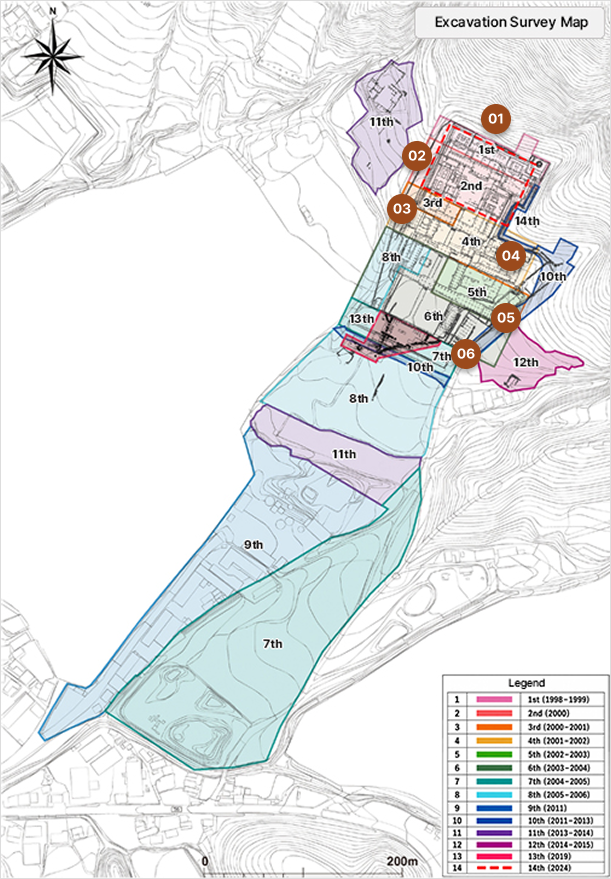
| Classification | Year | Investigation Area | Research Achievements |
|---|---|---|---|
| Trial Trenching | 1997 | Entire Temple Site | Formulation of Mid- to Long-Term Plan |
| 1st Excavation | 1998 | Entire 8th terrace | Blue roof tiles and Yeongrak pattern ornaments excavated at building site of the main hall and of the east and west abbot's hall. |
| 2nd Excavation | 1999 | Entire 6 and 7th terrace | A bronze wind bell excavated at the site of Bogwangjeon Hall |
| 3rd Excavation | 2000 | West side of the 5th terrace | Multiple types of underfloor heating system (gudeul) identified |
| 4th Excavation | 2001 | East side of the 5th terrace, Entire 4th Terrace |
Sacheonwangmun Gate site dentified at the 4th terrace |
| 5th Excavation | 2002 | East side of the 3rd terrace | A secondary pathway identified at the eastern section of the site |
| 6th Excavation | 2003 | West side of the 3th terrace, Entire 2nd terrace |
Horse stable, gate and well sites identified |
| 7th Excavation | 2004 | Entire 1st terrace, Site for the new Museum (Trial Trenching) |
Building sites identified at the 1st terrace |
| 8th Excavation | 2005 |
West side of the 2nd and 3rd terraces |
A secondary pathway identified at the western section of the site. Toilet and pond sites identified |
| 9th Excavation | 2011 | Area that used to be a factory | (No archaeological remains excavated) |
| 10th Excavation | 2013 | East side and vicinity of the 4th terrace | Workshop site identifed |
| 11th Excavation | 2014 | North west vicinity of the site | A presumed subsidiary temple identified |
| 12th Excavation | 2015 | South east vicinity of the site | A presumed storehouse site identified |
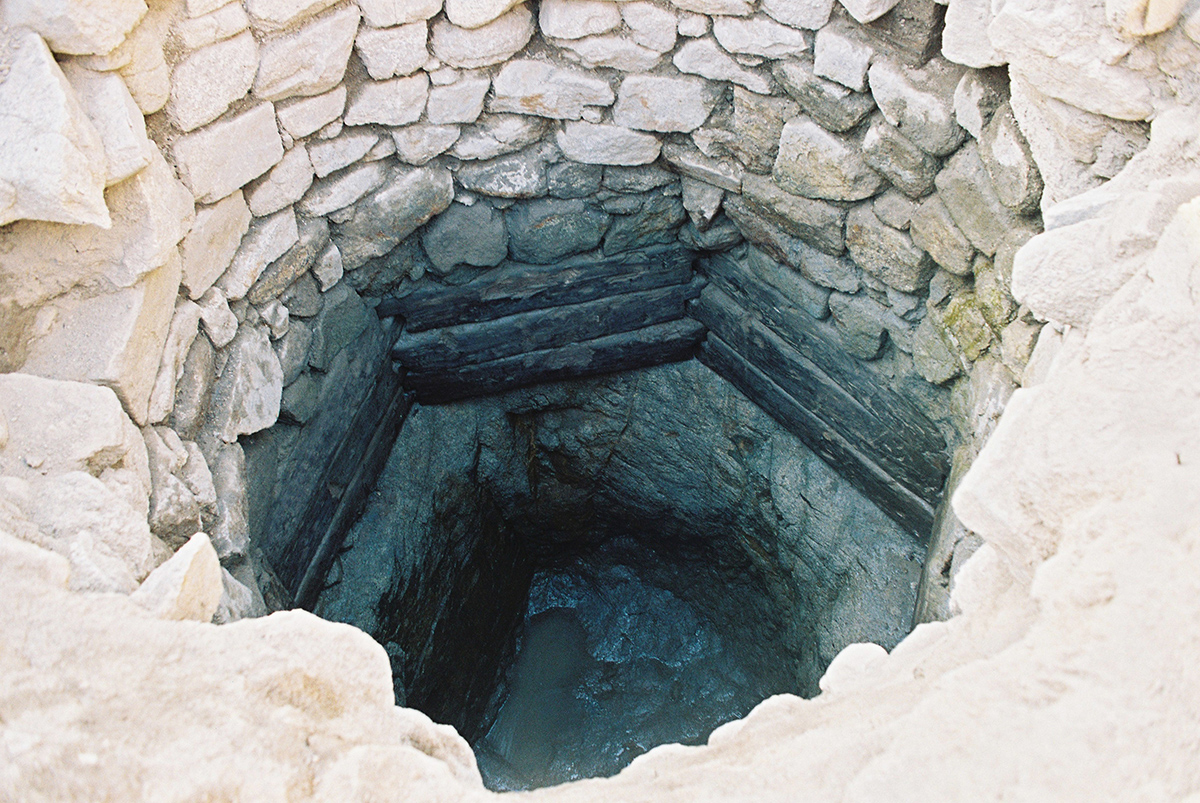
| 13th Excavation | 2019 | Underground culverts identified on the 1st terrace |
Well and drainage system identified |
| 14th Excavation | 2024 | 6th to 8th terraces | Archaeological remains from pre-14th century Goryeo identified |