| ⅰ |
represent a masterpiece of human creative genius
|
Sydney Oprea House (Australia),
The Great Wall (China),
Seokguram Grotto and Bulguksa Temple (Korea)
|
| ⅱ |
exhibit an important interchange of human values,
over a span of time or within a cultural area of the world,
on developments in architecture or technology, monumental arts,
town-planning or landscape design
|
Acropolis, Athens (Greece),
Hwaseong Fortress (Korea),
Changdeokgung Palace Complex (Korea),
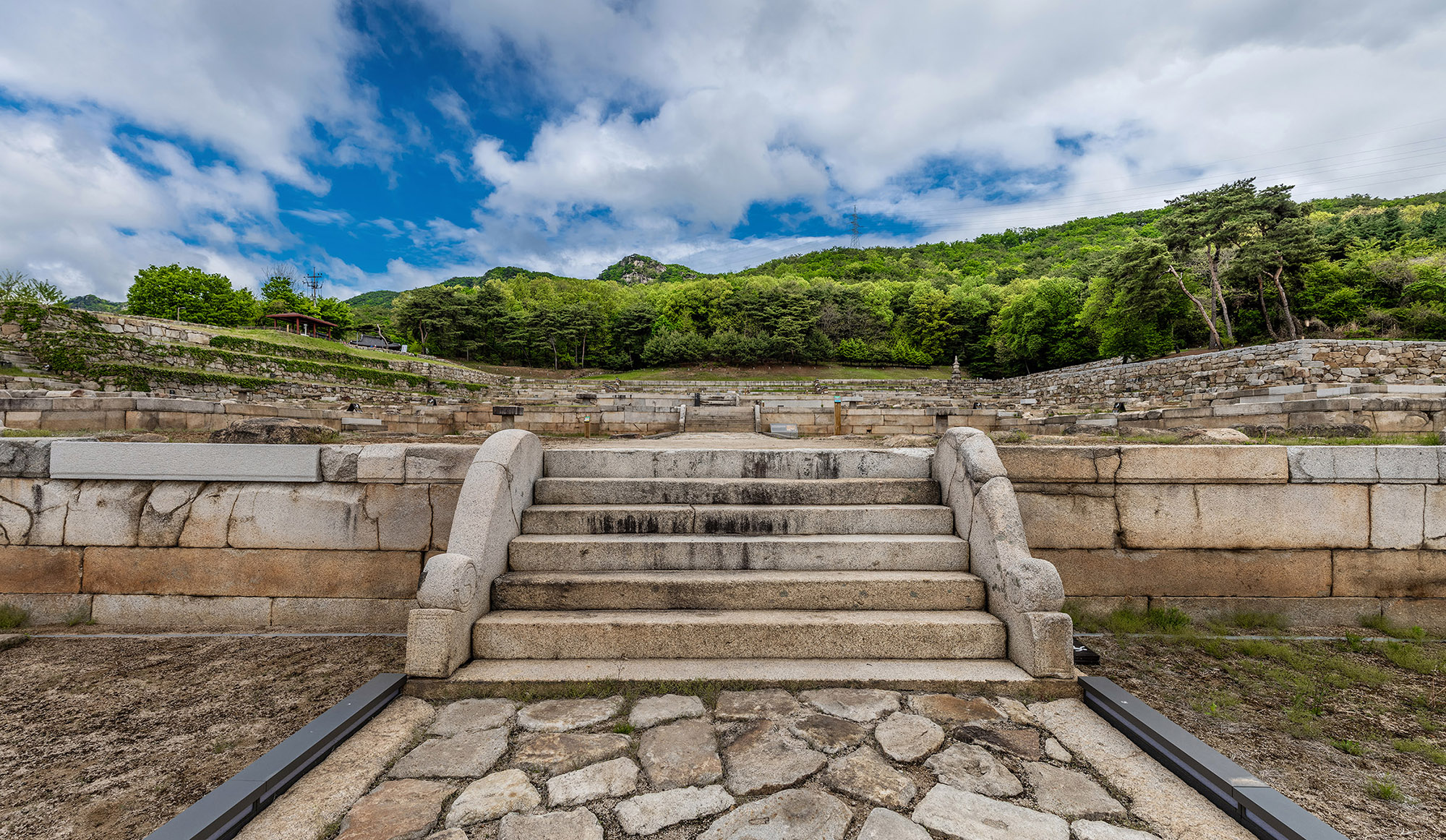
Namhansanseong (Korea)
|
| ⅲ |
bear a unique or at least exceptional testimony to a cultural tradition
or to a civilization which is living or which has disappeared.
|
Stonehenge, Avebury and Associated Sites (UK),
Gochang, Hwasun and Ganghwa Dolmen Sites (Korea)
|
| ⅳ |
It will be a representative example of a building, an ensemble of architecture or
technology, or a landscape type that exemplifies an important stage in human
history.
|
Magao Caves (China),
Jongmyo Shrine (Korea),
Namhansanseong (Korea)
|
| ⅴ |
be an outstanding example of a traditional human settlement,
land-use, or sea-use which is representative of a culture (or cultures),
or human interaction with the environment especially when it has become vulnerable
under the impact of irreversible change.
|
Old Town of Ghadames, (Libya)
|
| ⅵ |
be directly or tangibly associated with events or living traditions,
with ideas, or with beliefs, with artistic and literary works of outstanding universal significance.
(The Committee considers that this criterion should preferably be used in conjunction with other criteria)
|
Hiroshima Peace Memorial (Genbaku Dome, Japan)
|